Ice climbing: How to get started safely?
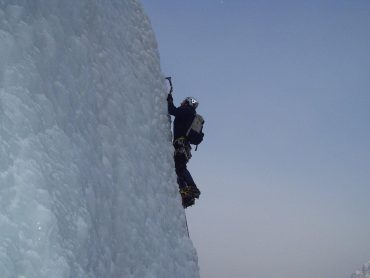
Ice climbing is a fascinating sport that involves scaling natural ice formations—such as frozen waterfalls, gullies, and stalactite curtains—in the dead of winter. Combining the thrill of raw adventure with a deep connection to the mountains, this activity attracts new enthusiasts every year. But how do you get started without taking unnecessary risks? What gear do you need? Do you have to be an experienced climber? We’ll guide you step by step through your first pitches on the ice!
Key Takeaways
- Accessible to beginners: you don’t need to be a mountaineer to get started. Being in decent physical shape is enough; the courses cover all the basics from scratch, and having climbed indoors is a plus but not a requirement.
- A high-mountain guide is mandatory for beginners: they assess ice conditions, ensure safety, and provide technical gear (ice axes, crampons, helmet, harness).
- Key equipment: two technical ice axes, front-point crampons, a helmet (essential), and warm, layered clothing. Expect to spend €500 to €800 on a full kit once you’ve caught the climbing bug.
- The best spots in the Alps: Maurienne Valley, Les Menuires and the 3 Valleys, Écrins Massif, Oisans, Cogne (Italy), and the Chamonix Valley.
- Safety first: check ice conditions before every outing, always wear a helmet, communicate as a rope team, and know when to turn back if conditions deteriorate. Start with grade 2 or 3 routes before aiming higher.
What is ice climbing?
Ice climbing is a form of climbing practiced on frozen natural formations, primarily in mountainous areas. When temperatures drop low enough for long enough, waterfalls transform into veritable ice sculptures: translucent columns, bluish draperies, and massive pillars that look like something straight out of a fantasy film.
The sport originated in the 1970s, when mountaineers began specifically tackling these ice formations using specialized gear. Since then, it has evolved significantly (in terms of both techniques and equipment). Today, ice climbing is becoming more accessible and is no longer reserved for die-hard mountaineers. In fact, it is one of the most popular winter sports among those seeking thrills beyond the ski slopes.
What makes this activity so special is its ephemeral nature. Unlike a rock face, which remains the same from one year to the next, an icefall is alive: it forms, evolves, and disappears as temperatures fluctuate. Each climb is therefore unique : and that is precisely what makes the experience so intense.
What you need to get started
Good physical condition
Good news: you don’t have to be a top-level athlete to try ice climbing! However, you do need to be in reasonably good physical shape. Ice climbing is very demanding:
- your arms and shoulders (to plant your ice axes);
- your legs and calves (to stay on your crampons);
- your core (to maintain your balance on the rock face).
If you already enjoy hiking, indoor climbing, or even swimming, you have a solid foundation. The key is not to start out completely out of shape, because the first few hours on the ice are physically demanding.
Basic climbing skills are a plus, but not required
Having climbed indoors or on a rock face before will help you understand the basics of belaying, rope management, and body positioning on a vertical wall. That said, introductory courses are designed for true beginners. Your guide will cover all the basics from scratch: how to hold your ice axes, how to put on your crampons, how to move safely… So even if you’ve never set foot on a climbing wall, you can definitely give it a try!
Essential equipment
Ice climbing requires special equipment; here are the essentials:
- Two technical ice axes: shorter and more curved than standard mountaineering ice axes, they are designed to anchor effectively in the ice.
- Crampons: semi-automatic or automatic, with aggressive front points to penetrate vertical ice.
- A helmet: this is absolutely essential, as pieces of ice regularly fall during the climb.
- A harness and belay equipment: rope, quickdraws, ice screws… Everything you need for roped climbing.
- Warm, waterproof clothing: you’ll be exposed to cold and moisture for several hours. Remember to layer up, wear waterproof gloves, and bring mountaineering boots compatible with your crampons.
For beginners, most schools and mountain guides provide the technical gear (ice axes, crampons, helmets, and harnesses). All you need to bring is your clothing and footwear. If you enjoy the activity and want to invest in your own gear, expect to spend around 500 to 800 euros for a high-quality, complete set.
Where can you go ice climbing in France?
The French Alps are full of incredible spots for beginners to try ice climbing. Among the most famous sites are:
- la vallée de la Maurienne ;
- Les Menuires ;
- le massif des Écrins ;
- l’Oisans dans les Alpes ;
- Cogne (côté italien, mais très accessible) ;
- la vallée de Chamonix.
If you’re looking for things to do in Les Menuires besides skiing, the 3 Vallées region offers several ice climbing sites that are accessible with a guide. It’s a great way to add variety to your trip and enjoy a truly memorable experience. Plus, if you’re traveling with your family, you’ll find plenty of family-friendly activities in Les Menuires to ensure there’s something for everyone.
For your accommodations, be sure to book a hotel in Les Menuires with all the comforts you need to unwind after your icy adventures. And to recharge your batteries, treat yourself to a delicious meal at a restaurant in Les Menuires: you’ll have earned it after a day clinging to the ice!
Essential safety rules
We may be stating the obvious, but ice climbing is an activity that leaves no room for improvisation. So there are a few basic rules:
- Never climb without a guide when you’re just starting out: a mountain guide is required to assess ice conditions and ensure your safety.
- Check conditions before every outing: ice quality varies greatly depending on the weather. A waterfall may be perfectly climbable one day and dangerous the next.
- Always wear a helmet: falling ice is common and unpredictable.
- Communicate constantly with your climbing partner: clear instructions and teamwork are the foundation of safety on an icefall.
- Know when to turn back: if conditions aren’t good, turn back. Turning back is a sign of smart climbers, not scared ones! The same goes if your partner isn’t feeling well—don’t continue the route alone.
Tips for making progress after the introductory course
Once you’ve climbed your first icefall in the Alps or elsewhere, you’ll probably want to go back (that’s the classic reaction). To improve effectively, take as many guided trips as possible to icefalls of increasing difficulty. Grades range from 1 (easy, moderate slope) to 7 (extreme, reserved for the best climbers). Start with routes graded 2 or 3 and take the time to solidify your technique before aiming higher.
Regular indoor climbing will help you strengthen your arms, improve your ability to read the wall, and maintain your belaying reflexes between winter seasons. Some climbing gyms even offer sessions on artificial ice walls: it’s perfect for training year-round!
Planning Your Ice Climbing Trip: Some Practical Information
Before heading out to climb, a little planning is essential. First step: visit the tourist office in the resort or valley you’re planning to visit. There, you’ll generally find all the information you need: a list of available guides, a map of accessible routes, a map showing how to get to the sites, and up-to-date ice conditions… Most tourist offices also offer an online booking system, which greatly simplifies logistics.
For those who want to get started in a group, many schools offer packages that include instruction, equipment, and slot reservations. This is the ideal option for sharing the experience with a partner or friends. But be careful—be sure to check the required skill levels before booking: some routes require more advanced technique than others!
Final tips: don’t hesitate to consult topographic maps to find waterfalls suited to your skill level. This is the best way to discover the sport in the high mountains, since the more information you have beforehand, the more successful (and, above all, safer—which is essential!) your outing will be.
Ice climbing is one of those activities that leaves a lasting impression. The winter atmosphere, the silence of the mountains, the crunch of ice beneath your ice axes—all of this creates memories you won’t soon forget. So, are you ready to take on the adventure?
Questions about ice climbing
What are the differences between the types of crampons used in ice climbing?
The crampons used in ice climbing can be semi-automatic or automatic. Automatic crampons provide a full wrap-around fit, ensuring better stability, and are recommended for regular use. Semi-automatic crampons feature a heel retention mechanism but are slightly easier to remove, which may be suitable for beginners. In all cases, the front points are aggressive and designed specifically for vertical ice to ensure good grip.
How do you choose technical ice axes for beginners in ice climbing?
To start with, it’s best to choose lightweight technical ice axes with a well-curved blade that makes it easier to anchor into the ice. The size should be suited to your body type to ensure a good grip without tiring your arms too quickly. Some models feature ergonomic handles with protective padding to prevent injuries. It’s recommended that you try out several models at a specialty store before making a purchase.
What are the criteria for choosing a good ice climbing guide in the mountains?
An ice climbing guide must be certified—ideally as a high-mountain guide—and have a good local knowledge of the sites and ice conditions. They must be able to adapt the itinerary to the group’s skill level and ensure optimal safety at all times. Be sure to check reviews from other customers and confirm that they provide the necessary equipment for beginners if you don’t yet have a full set of gear.
What kind of clothing should you wear to stay warm and dry during a climb?
The layering system is essential: a breathable base layer to wick away sweat, an insulating mid-layer made of fleece or synthetic down, and a waterproof and windproof outer layer. Gloves should be warm, waterproof, and allow for good dexterity. A good pair of technical socks and waterproof mountaineering boots round out the gear to effectively protect your feet from the cold and moisture.
What mistakes should you absolutely avoid during your first ice climbing outing?
It is essential to avoid climbing without an experienced guide, to underestimate the importance of proper, well-adjusted equipment, or to attempt a route that is graded beyond your technical ability. Be sure to check the weather conditions and the strength of the ice before any climb. Finally, maintain constant communication with your partner and know when to turn back if conditions become too dangerous.